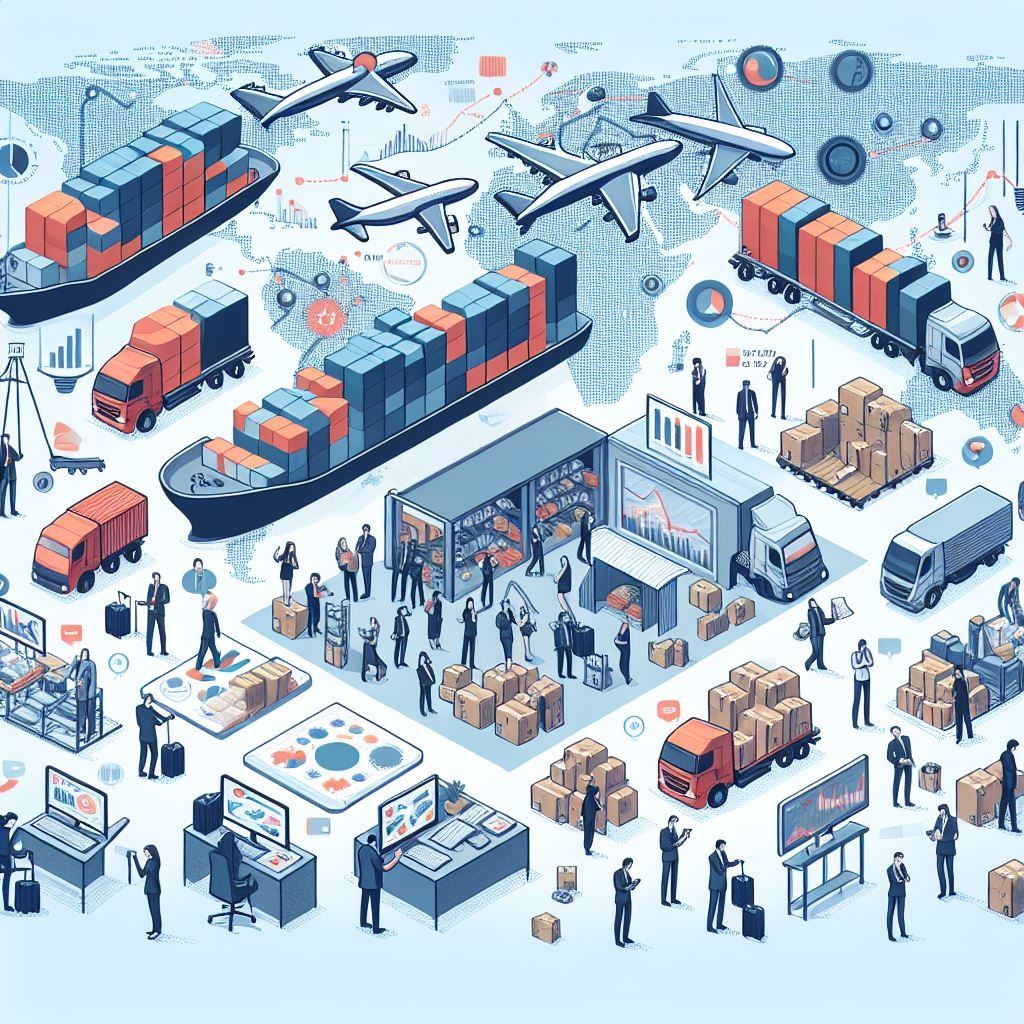
Air Freight • Sea Freight • Rail Freight • Road Transport • Warehousing • Customs Clearance • Door-to-Door Delivery
Contact UsWith a growing number of facilities and technically trained professionals, we offer high-quality products and services to each one of our verticals.
Associated with global leaders, Swayam Prabhas market-driven approach focuses on keeping ahead and driving innovative solutions for all manufacturing industries.
Swayam Prabhas is committed to fostering long-term and meaningful partnerships with suppliers and customers alike.
Striving towards a better and brighter future for generations to come while bringing community development, financial stability, and reduction in carbon footprint.
Established in 2010, the Swayam Prabhas has a substantial history of breaking new ground in the Indian subcontinent. In our desire to match the pace of constant change in the world, we have rapidly transformed and evolved into a competitive force that has helped shape the future of many industries across the globe.
Our name itself, which means light, is the guiding force with which we continue to illuminate all that we come across. The Group's symbol form inspired by the sun reflects an everlasting energy that flows through all our companies.
The Group began in the chemical business and had since expanded into 3PL logistics, supply chain, trade & distribution, and office supplies, with intentions to expand into other businesses in the near future.
Established in 2010, the Swayam Prabhas has a substantial history of breaking new ground in the Indian subcontinent. In our desire to match the pace of constant change in the world, we have rapidly transformed and evolved into a competitive force that has helped shaped the future of many industries across the globe.
Our name itself, which means light, is the guiding force with which we continue to illuminate all that we come across. The Group’s symbol form inspired by the sun reflects an everlasting energy that flows through all our companies. The epicenter of this energy is the robust value system of the group which remains constant and unshakeable.
The Group began in the chemical business and had since expanded into 3PL logistics, supply chain, trade & distribution, and office supplies, with intentions to expand into other businesses in the near future.
Looking for a reliable way to get your cargo transported quickly? Our air freight services at Swayam Prabhas are just what you need. We specialize in air cargo services, offering you efficient and cost-effective solutions. Whether it’s a time-sensitive delivery or a high-value shipment, we’ve got you covered.
At Swayam Prabhas Logistics, we understand the importance of timely deliveries. Our air freight charges are competitive, and our service is unparalleled.
Our freight aircraft are ready to take your cargo to the skies, ensuring swift deliveries across the globe.
No matter where you need to send your goods, our international cargo network ensures your shipment reaches its destination on time.
Your cargo is valuable. We implement stringent safety protocols and security measures to ensure that your goods are protected throughout the transportation process.
We handle the clearance of your goods seamlessly, so you don't have to worry about customs.
We offer transparent and competitive air freight charges. You get value for money without compromising on service quality.
From high-value electronics to perishable goods, Swayam Prabhas provides specialized air cargo solutions that cater to a variety of shipment types. Our services include:
When time is of the essence, our priority air freight services ensure your urgent shipments reach their destination swiftly and securely.
Cost-effective and reliable, our standard air freight services offer excellent value for your regular shipping needs.
For large, unusual, or time-critical shipments, our charter services provide a customized solution, ensuring direct and dedicated air transport.
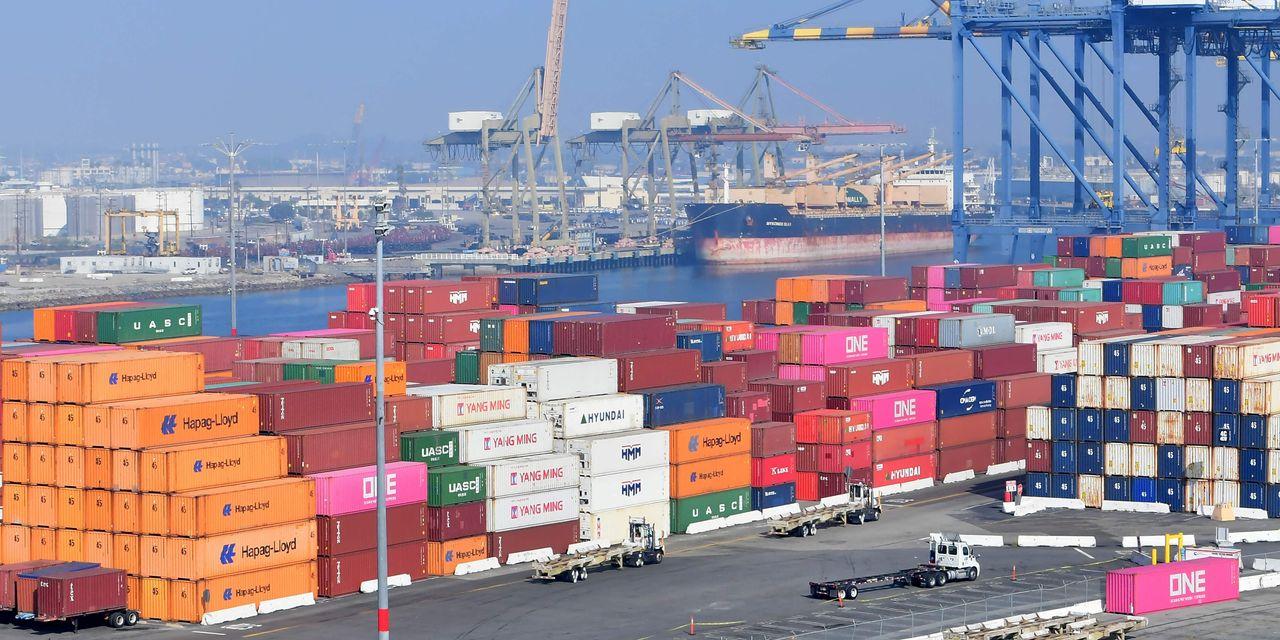
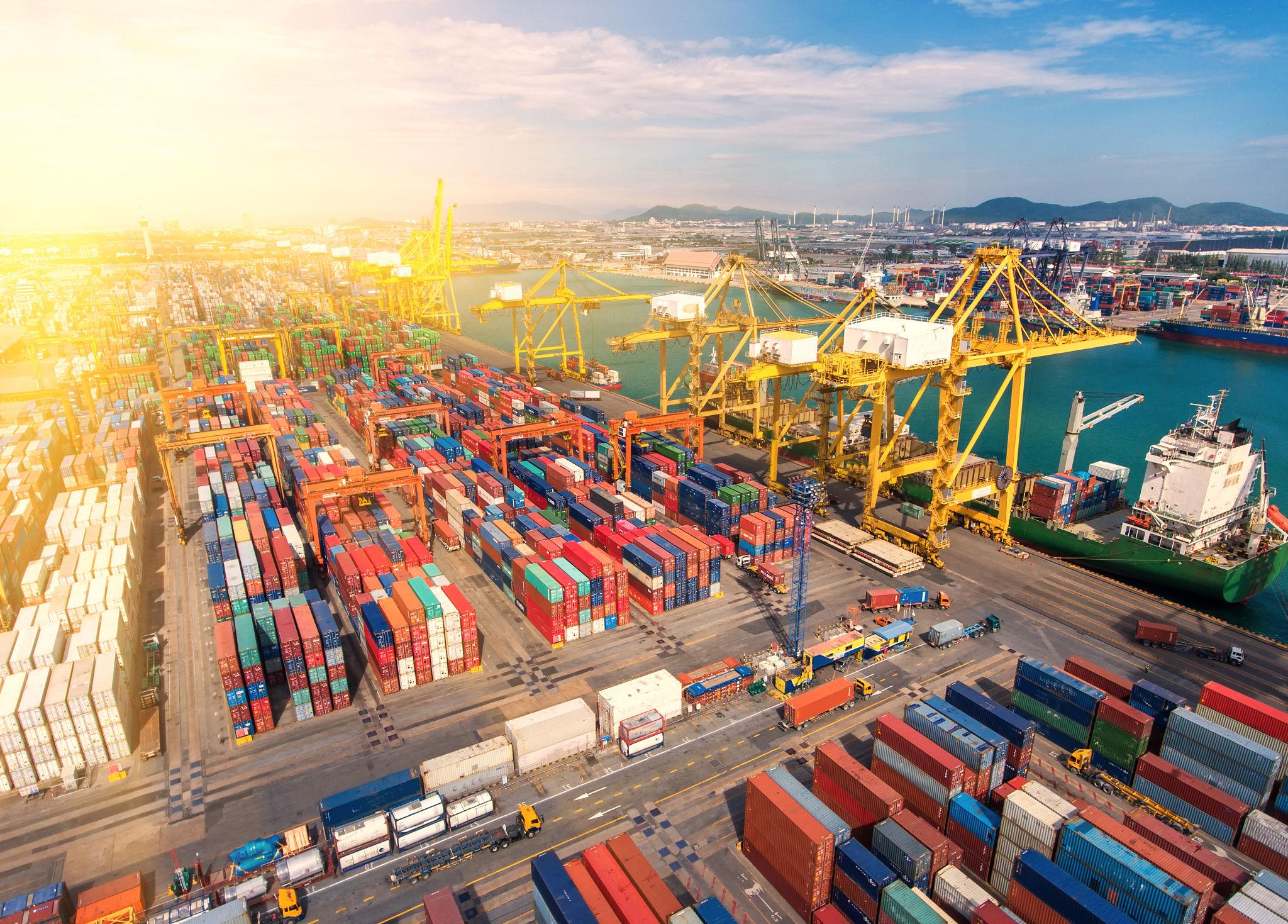
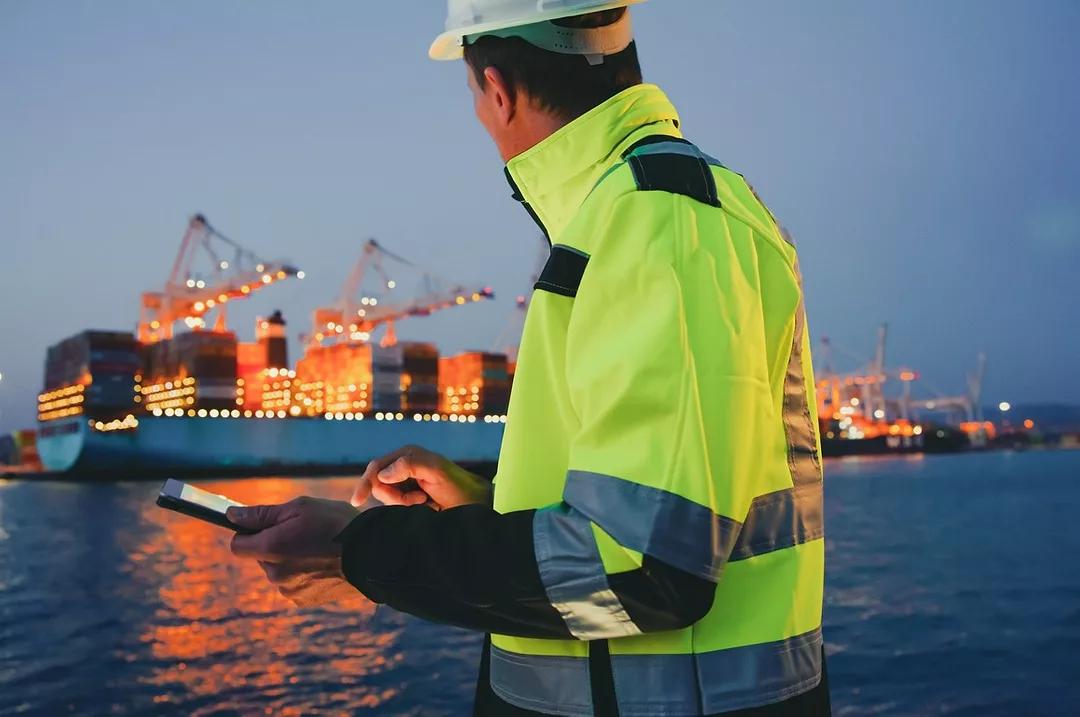
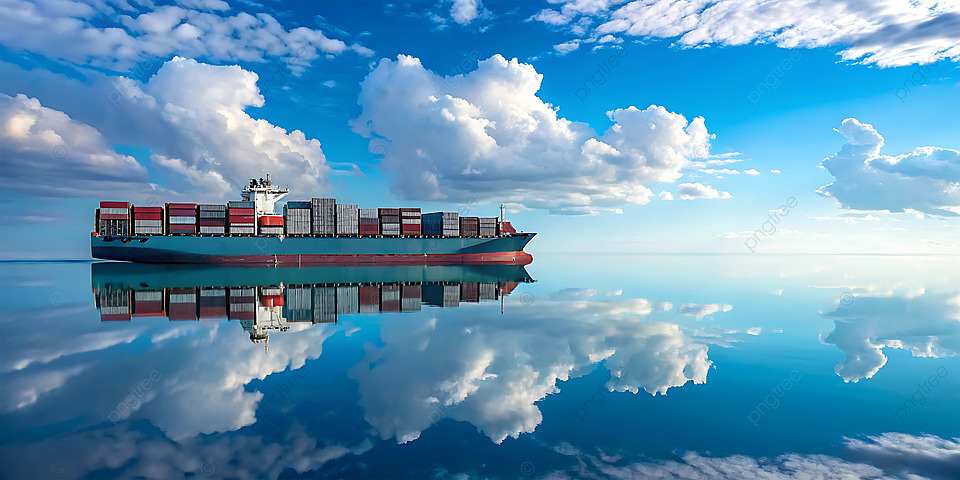
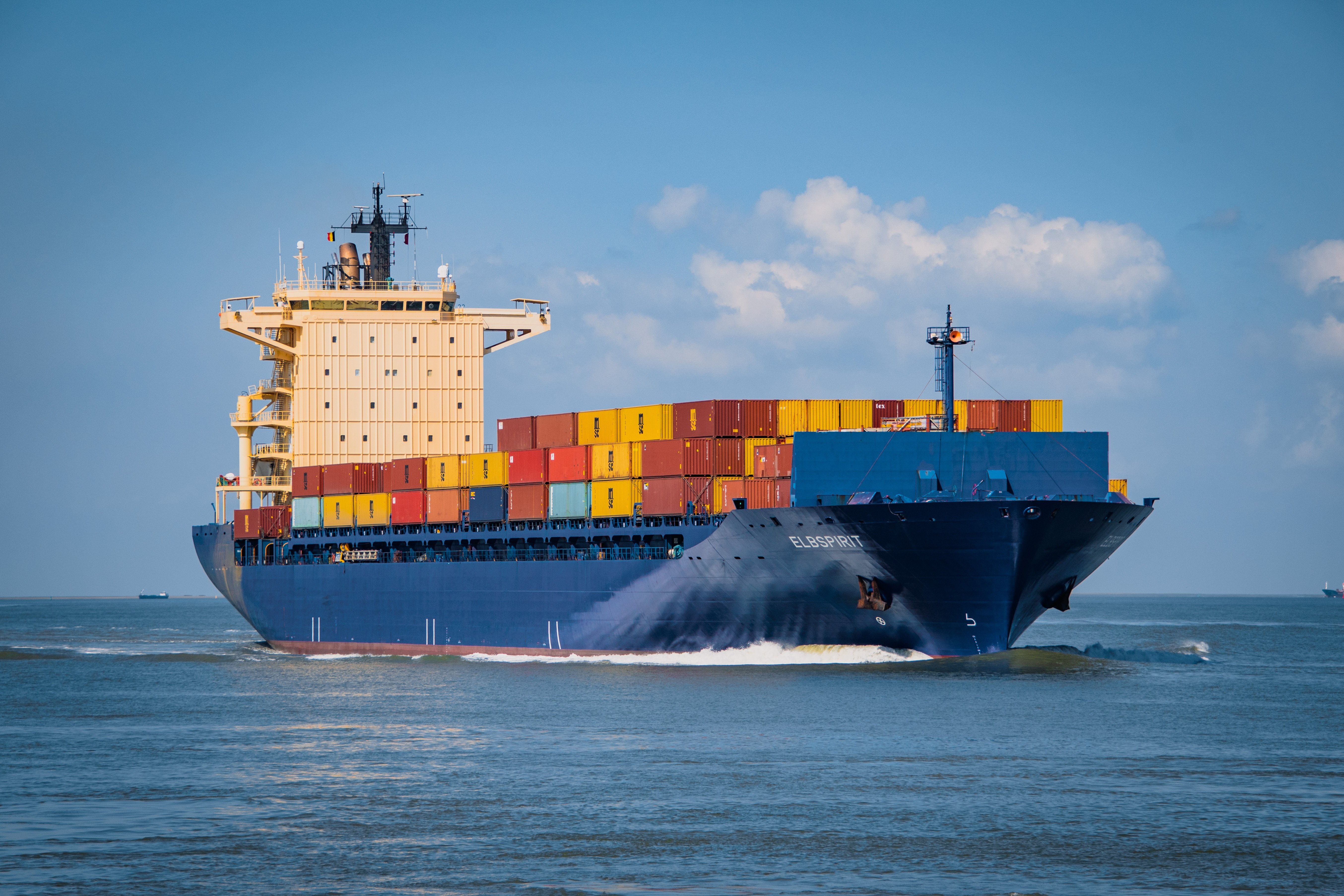
When it comes to global shipping, sea freight remains the most cost-effective and efficient solution for transporting large volumes of goods across the world. At Swayam Prabhas, our sea freight services are designed to meet the diverse needs of businesses, providing reliable and comprehensive solutions that ensure your cargo reaches its destination safely and on time.
We pride ourselves on delivering shipments on time and in excellent condition. Count on us for consistent and dependable service.
With years of experience in the logistics industry, our team possesses the knowledge and skills to handle even the most challenging shipping scenarios. We stay up-to-date with the latest industry trends and regulations to provide you with the best possible service.
Our dedicated customer support team is always ready to assist you with any questions or concerns. We believe in building strong relationships with our clients, offering personalized support to ensure a smooth shipping experience
At Swayam Prabhas, we are committed to sustainability. We continually strive to minimize our environmental impact through efficient shipping practices and innovative solutions. By choosing our sea freight services, you contribute to a greener, more sustainable future.
At Swayam Prabhas, we offer a wide range of sea freight services to cater to various shipping needs:
Ideal for large shipments, FCL involves transporting your cargo in a dedicated container. This option provides maximum security and control over your goods.
Perfect for smaller shipments, LCL allows you to share container space with other shippers, reducing costs while ensuring your goods are delivered efficiently.
For oversized or heavy cargo that cannot be containerized, we offer break bulk shipping services. Our team handles these complex shipments with expertise and precision.
For large-scale or complex projects, we provide customized project cargo solutions. From planning and coordination to execution, Swayam Prabhas manages every detail to ensure the successful delivery of your project cargo.
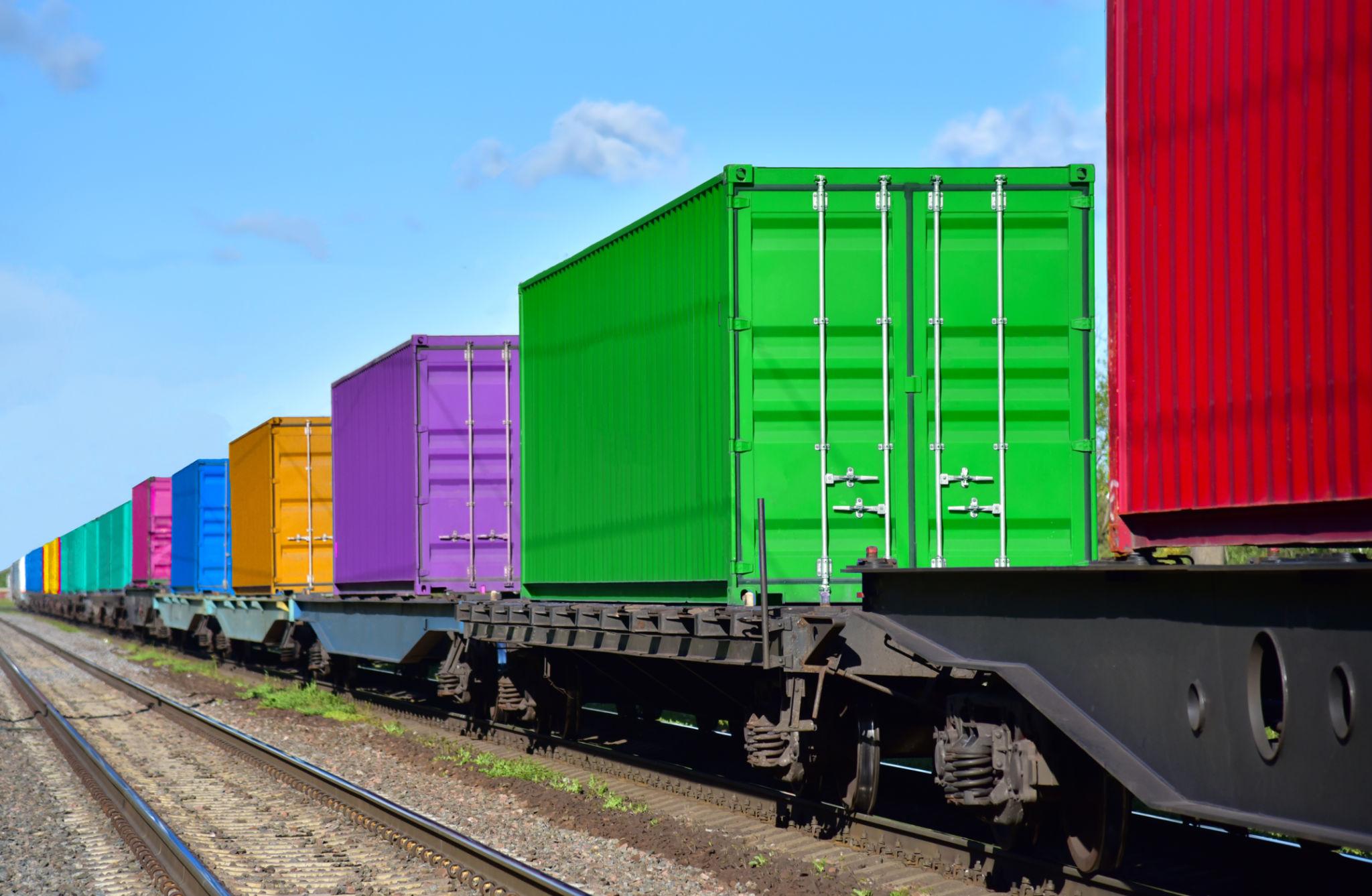
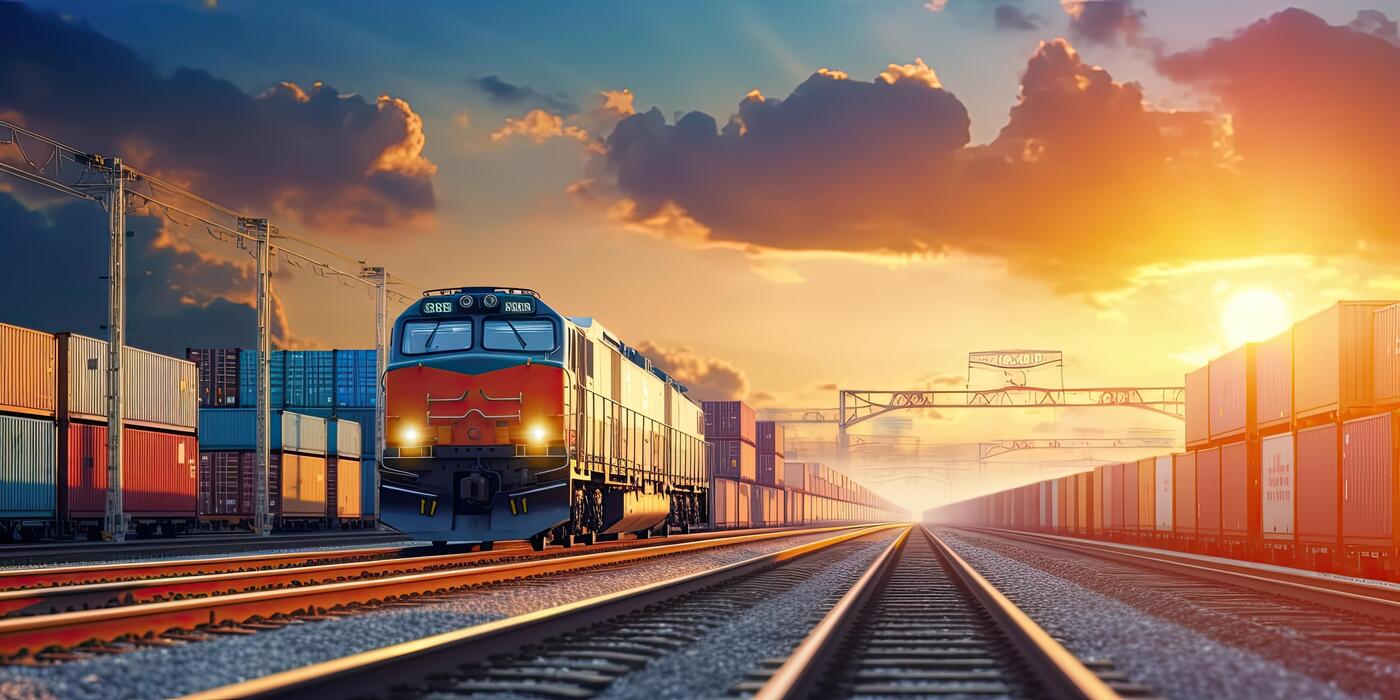
Imagine your cargo gliding smoothly across the country, safe and sound on reliable railways. At Swayam Prabhas, we make that vision a reality with our top-notch rail freight services. Let’s get your goods rolling on the tracks of efficiency!
At Swayam Prabhas, we transform your shipping challenges into seamless journeys.
Save big with rail transport. Cut down on freight charges and boost your bottom line.
Rail freight is known for its dependability. Trust Swayam Prabhas to deliver your cargo on time, every time.
Got a lot to ship? No problem. Rail transport handles large volumes effortlessly, perfect for heavy shipping demands.
Reduce your carbon footprint with rail transport. Choose Swayam Prabhas and contribute to a greener planet.
From bustling cities to remote towns, our rail parcel service spans the entire country. Your cargo will reach any destination you need.
At Swayam Prabhas, we understand that every shipment has specific requirements. Our rail cargo services are flexible and can be customized to suit your needs. Whether you’re transporting bulk commodities, industrial goods, or consumer products, we provide
Swayam Prabhas offers flexible scheduling and routing options to accommodate your business needs. Whether you require regular shipments or occasional transport, our rail services can be adapted to fit your schedule.
Our dedicated customer support team is available to assist you at every step. From initial consultation to final delivery, we ensure your rail freight experience is smooth and hassle-free.
From hazardous materials to temperature-sensitive goods, our specialized handling ensures your cargo is transported safely and in compliance with all regulations.
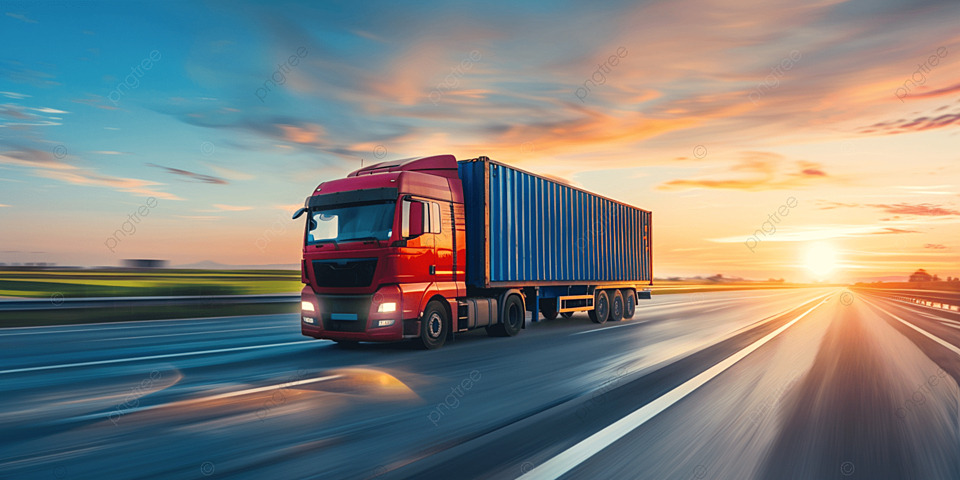
When it comes to dependable and flexible road transport services, Swayam Prabhas is your go-to logistics partner. Our extensive experience and comprehensive solutions ensure that your goods are transported safely, efficiently, and on time. Discover how our expert road transport services can enhance your supply chain and streamline your operations:
Road Transport Excellence
We prioritize the safety of your cargo with rigorous handling and transport protocols.
Our advanced tracking systems provide real-time visibility, giving you control and transparency over your shipments.
With years of experience in the logistics industry, Swayam Prabhas has the knowledge and skills to handle complex road transport challenges.
Count on Swayam Prabhas for consistent and dependable road transport services that ensure your goods arrive on time.
Our customized solutions are designed to meet the unique needs of your business, offering flexibility to adapt to changing demands.
At Swayam Prabhas, we understand that every shipment is unique. Our road transport services are tailored to meet your specific needs, offering flexible and reliable options.
For large shipments that require dedicated transport, our FTL services provide direct delivery without intermediate stops, ensuring speed and security.
For smaller shipments, our LTL services offer cost-effective transport by sharing truck space with other cargo, optimizing efficiency without compromising on safety.
From hazardous materials to temperature-controlled goods, our specialized road transport solutions ensure your cargo is handled with the utmost care and in compliance with all regulations.
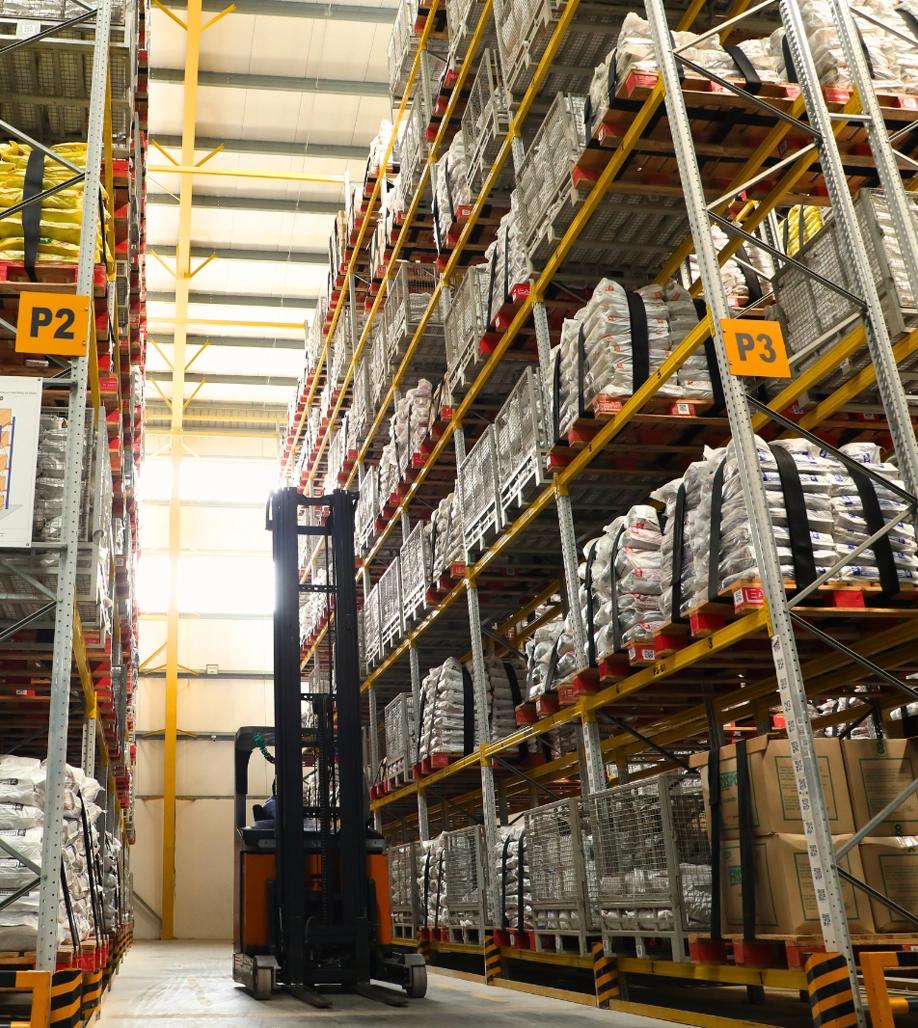
At Swayam Prabhas, we understand that efficient warehousing is a critical component of your supply chain. Our state-of-the-art warehousing solutions provide the perfect blend of security, efficiency, and flexibility to meet your unique storage needs. Whether you’re a small business or a large corporation, our facilities are designed to handle your inventory with the utmost care and precision.
Partnering with Swayam Prabhas for your warehousing needs comes with a host of benefits:
Our warehouses are equipped with advanced technology and infrastructure to ensure optimal storage conditions. From climate control to automated inventory management systems, we provide the best environment for your goods.
Your inventory's security is our top priority. Our warehouses are protected by 24/7 surveillance, access control systems, and robust security protocols to safeguard your products against theft and damage.
We offer a variety of storage solutions to fit your needs, including short-term and long-term storage, palletized storage, and bulk storage. Our flexible options allow you to scale up or down based on your inventory requirements.
Our warehousing facilities are strategically located near major transportation hubs, allowing for quick and efficient distribution of your goods. This reduces transit times and costs, ensuring your products reach their destination promptly.
Our warehousing solutions are designed to provide complete visibility, efficiency, and flexibility throughout your inventory management process.
We begin by understanding your specific storage needs and developing a customized warehousing plan.
Our team works with you to ensure a smooth transition and integration of your inventory into our warehousing system.
For oversized or heavy cargo that cannot be containerized, we offer break bulk shipping services. Our team handles these complex shipments with expertise and precision.
We coordinate with your supply chain operations to ensure timely and accurate distribution of your products.
Navigating the complexities of custom clearance can be a daunting task, but with Swayam Prabhas by your side, it becomes a seamless process. Our expert customs brokerage services ensure that your shipments clear customs quickly and efficiently, allowing you to focus on your core business activities. With Swayam Prabhas, you get more than just customs clearance—you get a comprehensive suite of logistics solutions designed to streamline your supply chain
Partnering with Swayam Prabhas for your Custom Clearance needs comes with a host of benefits:
Our team of experienced customs brokers has in-depth knowledge of international trade regulations and procedures. We handle all the necessary paperwork, compliance checks, and negotiations with customs authorities, ensuring your shipments are cleared without delays. Trust Swayam Prabhas to manage the intricacies of import and export documentation, tariff classifications, and duty payments, so you can avoid costly penalties and delays.
Our comprehensive order fulfillment services are designed to meet your business needs. From picking and packing to shipping and delivery, Swayam Prabhas ensures your orders are processed accurately and swiftly. Our streamlined processes and cutting-edge technology guarantee timely fulfillment, enhancing your customer satisfaction and retention.
Reduce handling times and storage costs with Swayam Prabhas's cross-docking services. We facilitate the direct transfer of goods from inbound to outbound transportation, minimizing the need for warehousing. This efficient approach not only accelerates the delivery process but also lowers storage and handling expenses, giving you a competitive edge.
We prioritize compliance and transparency in all our operations. Swayam Prabhas ensures that all customs procedures are conducted in strict adherence to international trade regulations, providing you with peace of mind. Our transparent processes and regular updates keep you informed at every stage of the customs clearance process.
At Swayam Prabhas, Our team of specialists handles everything from documentation to regulatory compliance, providing tailored solutions for hassle-free global trade.
We manage all documentation meticulously, ensuring compliance and accuracy for smooth customs processing.
We streamline the customs clearance process, minimizing delays and ensuring timely delivery of your shipments.
Receive personalized guidance and support from our experts, tailored to meet your specific business requirements.
Our team specializes in tariff classifications, optimizing duties and taxes for cost-effective international trade.
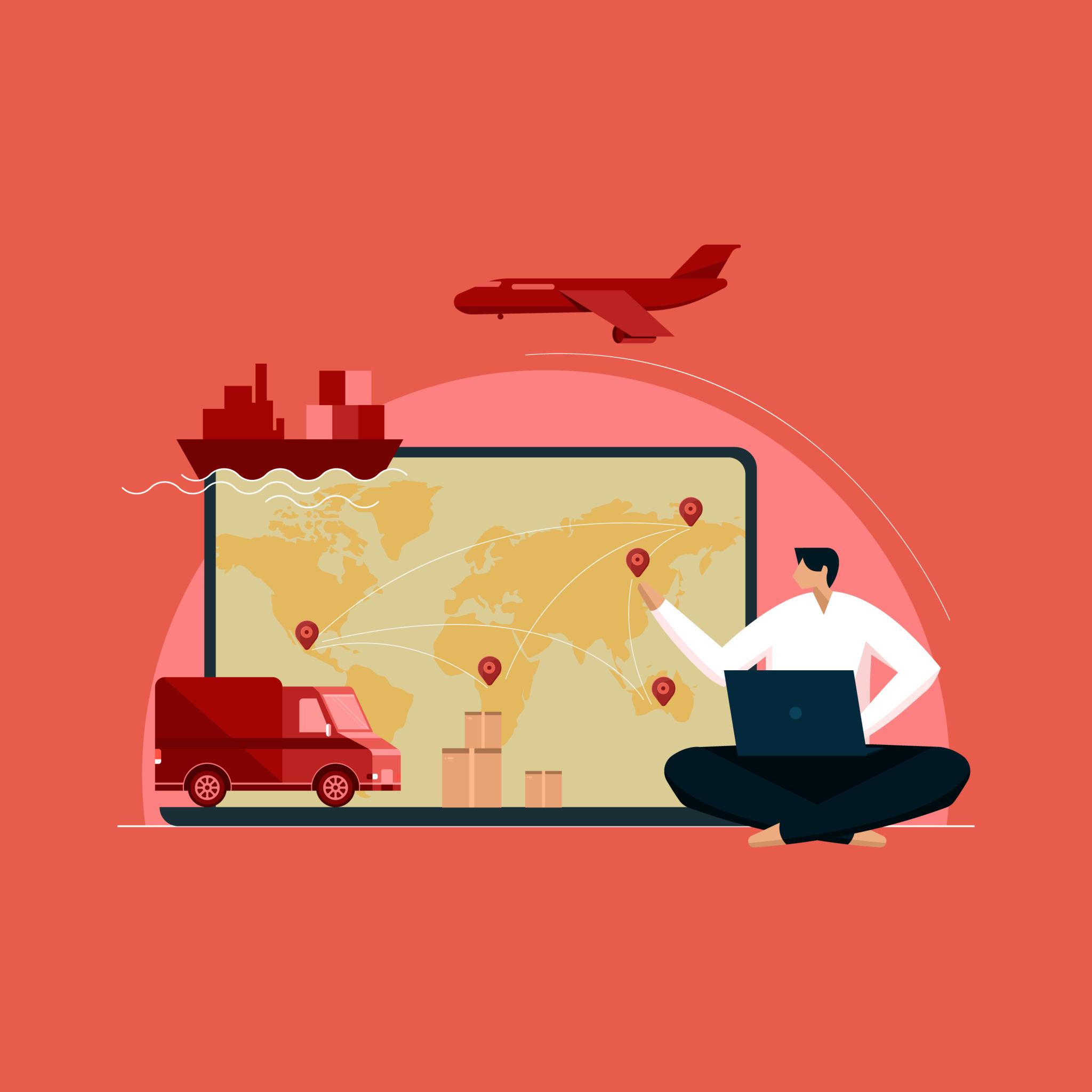
At Swayam Prabhas, we take the hassle out of shipping with our comprehensive door to door logistics service. From the moment your goods leave your premises until they reach their final destination, we handle every step of the process. Our service includes precise packaging, efficient cargo transportation, seamless customs clearance, and timely delivery.
With our extensive experience in logistics, including air freight, rail freight, road transport, and ocean shipping, we ensure that your cargo reaches its destination safely and on time. Enjoy complete peace of mind knowing that Swayam Prabhas's expert team is dedicated to providing reliable and efficient logistics solutions tailored to your business needs.
Partnering with Swayam Prabhas for your door to door logistics needs comes with a host of benefits:
We guarantee timely deliveries with streamlined logistics processes and cost-effective transportation solutions.
Clear and accurate freight charges and international courier charges.
With years of experience in global logistics and supply chain optimization, we're your go-to partner.
Our track record as a dependable logistics company speaks volumes.
Our Door to Door services are designed to optimize your supply chain, ensuring your goods are moved swiftly and securely from origin to destination:
From freight aircraft to truck transport, we customize our services to fit your needs. Handling everything from international cargo to domestic shipments, we ensure your goods are in safe hands throughout their journey.
Import customs clearance and export customs clearance can be a headache. Let our experts take care of the clearance of imported goods and export goods for you, ensuring everything runs smoothly and quickly.
We use the latest technology for labeling, warehousing, and distribution management to streamline your supply chain. Need cold chain logistics for temperature-sensitive items? Efficient rail freight solutions? No problem, we've got it all covered.
Protecting your cargo is our priority. We offer comprehensive cargo and freight insurance options to keep your shipments safe. Our clearing and forwarding agents are ready to tackle any challenges, making sure your goods arrive safely and intact.
We engage with Global Manufacturers with the objective of expanding their market to India, abroad and bridge the gap with local customers in India and other countries, providing quality innovative products in segments pertaining to Plastics, Coatings & Adhesives, Construction Chemicals, Rubber & Tire, Textiles, Home care & Personal care and Allied Industries. With high-level market Intel, we identify opportunities and the need of our customers and source the products from some of the world’s leading Manufacturers & suppliers.
Together with a strong understanding of our customer’s needs, Application Laboratories to test and validate our products, Pan- India warehousing leading to seamless Logistical Solutions and high delivery standards, we are perfectly placed to deliver strong value to all our customers and partners.
These charges are for services outside of the normal pickup and delivery of goods. A few examples of additional charges you might find on your bill include wait time, bunkers, storage, and packing.
Anti dumping is an additional duty applied to foreign goods that are imported and priced below fair market value.
This is a document that a carrier issues to whoever is shipping the goods. It simultaneously serves as a receipt, a contract, and a title of ownership.
During a blind shipment, one or more of the parties involved are unaware of the others identity.
These warehouses are controlled by customs and allow imported goods to be stored until any duties owed are paid.
Bulk cargo, or project cargo, refers to those goods which by their nature, dimensions or size cannot be transported in a standard container.
This term refers to the portion of sea freight charges that are adjustable based on the fluctuating cost of oil.
Cartage refers to the movement of goods within a small geographic area. These services are commonly used to move or combine goods from multiple warehouses.
Cash On Delivery is a term that refers to a specific type of transaction. In such a transaction, payment for goods is made at the time of delivery.
A chassis is simply a frame with wheels and container locking devices used to pickup and transport containers.
Consolidation refers to the combining of shipments from multiple suppliers to be packaged and shipped in the same container.
A container freight station is a location where cargo shipments can be consolidated, deconsolidated or repacked at various points along the transport route.
A facility located at the port where containers wait to be loaded onto ships, or where containers are taken after being off-loaded.
This is a term that refers to the need of a seller to arrange for goods to be transported to the destination port, as well as to provide the buyer with whatever documents he or she needs to obtain the goods.
This term essentially serves the same function as a cubic meter, the primary difference is that in a cubic foot, the “cube” is characterized by foot-long edges as opposed to meter-long ones.
This is a unit of volume that describes a cube where each edge is one meter long. It is often used to describe what size shipment can fit on a carrier vessel.
Delivery Order is a term that refers to the document from a shipper or freight owner that permits cargo to be transported to another place, such as a warehouse.
A demurrage occurs when a vessel is detained by a cargo agent in port beyond the time necessary to load or unload the vessel. This term can also refer to the resulting charge that occurs when a vessel is detained.
This is a fee that is charged based on container size and is applied to cargo. This charge is “accessorial” and is added to whatever the base price is for freight. This charge covers the costs to lift the cargo off the vessel, the cost of drayage within the terminal, and the cost of gate fees.
Detention fees apply when a container is held outside of a port longer than the agreed upon “free time” and are typically charged by the hour.
One of the fees that a shipper must pay to have goods transported either domestically or internationally.
A refund of certain fees that were paid during the import process. Once goods are reexported these duties and taxes are able to be returned.
Similar to cartage, drayage refers to the local pickup or delivery from a port.
An emergency bunker surcharge is similar to a BAF and is a charge added to shipping costs in order to cover the price of fuel.
The charge associated with the cost of positioning a container to accommodate exports.
This ocean freight term refers to containerized cargo that is equivalent to either one forty foot container or two twenty foot containers. One FEU equals 25 metric tons or 72 cubic meters.
A Free Trade Zone is a specific type of economic zone or geographic area where incoming and outgoing goods can be handled, manufactured, and/or reconfigured without customs authorities intervening. The shipments are not subject to customs duties until they are sent to customers within the country.
This acronym, along with the designation “origin” or “destination”, determines who is responsible for covering freight costs. This is an example of an “incoterm,” or a trade term established by the International Chamber of Commerce.
This is a term often used on a Bill of Lading (B/L) to communicate that the shipment cost has already been paid. Although this is a nice way of allowing the receiver to avoid paying shipment costs, it also means the freight cost is nonrefundable.
This is an extra charge included to recover increased costs of fuel. It is often calculated based on the average price of fuel from the month prior to the shipping date.
This term refers to a container that a shipper has paid to use exclusively – it does not necessarily mean that the container is filled entirely. It is the standard form of freight shipping for those who need to transport a large amount of goods.
This term refers to a shipping method where an entire trailer-load is contracted out to a single customer. Cargo remains with a single, dedicated trailer over the course of the shipment and is not handled en route. It is a very time- and cost-efficient way of shipping goods for shippers who need to move large amounts of cargo.
This term refers to the status given to imported goods that are either missing the documentation they need or are not quickly cleared through customs. Goods could be held under a “GO” for a number of reasons, such as because there are taxes owed on them or because paperwork still needs to be filled out.
A General Rate Increase (GRI) is the average amount a carrier’s tariff rates increase annually. This increase is then applied to general shipping rates.
HAZMAT is an abbreviation for “Hazardous Materials.” These types of goods range from explosives to corrosives and must be communicated to the carrier before transport.
High Cube is a term that describes a specific type of shipping container. These containers are of similar structure to standard containers (often forty feet long) but are somewhat taller – usually 9’6” tall instead of 8’6” tall.
These are rules developed by the International Chamber of Commerce to specify which services the seller and buyer are responsible for.
This term refers to shipments that involve two or more modes of transportation.
This term refers to the total cost of a product, including transportation costs and any additional fees.
This is a term for cargo that does not meet either certain weight or certain quantity requirements to qualify for freight rates applied to a standard shipping container of goods.
Less Than Truckload is a term that describes a method of shipment where multiple customers’ goods are mixed on a single trailer. Freight on these trailers are often handled at various points along the shipping route.
This is a document that serves as a set of instructions from an importer’s bank to an overseas bank letting the latter know that it should pay the exporting company in advance. It serves as a guarantee of payment and can help facilitate trust between two business partners who don’t know each other very well.
Lift On/Lift Off is an acronym used to describe a specific type of carrier vessel. When these ships are used in transport, freight must be lifted on and off of the vessels using cranes.
When using several types of transport (sea, air, land or rail)
A non-vessel operating common carrier is a freight forwarder who doesn’t own a vessel. Instead, the freight forwarder acts as a carrier by taking certain responsibilities for shipments, including issuing bills of lading.
This term refers to a class of ships designated to carry wheeled cargo, such as automobiles, trucks, farm/construction equipment, and railroad cars. These ships have built-in ramps that allow wheeled cargo to be moved on and off of the vessel with ease.
An ocean freight forwarder is an individual or company that is responsible for organizing shipments on behalf of shippers. They book the transport and arrange space on the carriers, among others
This a detailed list that describes all items in a shipment, letting each party know how the goods should be handled.
A Panama Canal Charge is the fee applied to shipments moving through the Panama Canal. This charge is set by the Panama Canal Authority and is set in terms of a price per TEU.
The peak season surcharge is a tariff that applies when there are high volumes of cargoes that hauliers have to transport. It usually occurs between summer and November each year. During this time carriers can negotiate rates.
This is a charge that carriers often add to their prices in order to mitigate the threat of piracy when shipping goods via ocean liner.
This is a charge rendered to shippers in the instance that there is some sort of disturbance or other delay at the port when the shipment arrives. This could include a strike, lockout, work slowdown or stoppage, or another labor-related disruption.
A port security fee is a charge that North American port authorities are entitled to issue to carriers to recover the costs of any security-related expenses in and around the port.
This term refers to any goods or shipments that are transported via boat across body of water. Many carriers and freight forwarders provide a number of services specific to ocean freight.
This is a term often used on a bill of lading where the carrier acknowledges receiving a certain quantity of packages but is unaware of the exact nature or value of the contents. This helps to limit the carrier’s liability in the instance of an insurance claim.
This term refers to the charges collected by authorities at the ports to cover the costs of handling equipment and performing maintenance. The exact costs vary from port to port based on the amount of handling and maintenance done at each one.
During a shuttle goods are moved from one vessel to another before continuing their trip.
A measure to describe the cargo capacity of a general cargo container.
These 4-digit numbers are used to classify different hazardous materials when shipping goods internationally.
A value added tax is levied on goods whenever value is added to the product through a production stage or at the final sale. A manufacturer may pay VAT on all supplies it purchases for use in the final product, and this tax is often passed on to the consumer.
Also known as Customs Examination, this is the most common type of inspection performed at a port, usually in shipping. It is essentially the scanning of an entire shipment or container and is usually carried out at the first port of entry.
This is basically the opposite of an NVOCC, or a freight forwarder who does own vessels used in the transport of goods.
This is a term that refers to the weight or volume of cargo that is used to determine the freight rate on export goods.
Incoterm, or "International Commercial Terms" is a set of rules, which is international recognition to help in the global transport of goods. Each term has well-defined rules and regulations which both parties need to comply. The International Chamber of commerce publishes these rules. With Incoterm, language is never a barrier.
This term defines even split of price and responsibilities between buyer and seller.
This term puts the whole responsibility on the shoulder of the buyer, and the only responsibility that rests with the seller is that of making the goods available for pickup.
Under these terms, the seller must bear all costs up to the port of destination, for which the buyer is responsible.
The terms are like those mentioned in CIF with the only difference that the buyer must include the costs incurred for insurance.
Under this shipping term, the seller must deliver the goods to a location where the carrier operates along with clearing the goods for export from the country of origin. The costs and the sole risk of liability are borne by the buyer in accordance with this Incoterm.
This term states it is the responsibility of the buyer to get the goods ready for loading alongside the ship besides customs, clearing it for export.
Under this term, the seller must bear all the responsibility including unloading the goods at the named terminal at the destination port. The buyer bears all the other costs incurred such as Customs clearance, import duties, taxes, and delivery costs.
This term states the seller must bear all the risks and costs such as duties, taxes and other charges of delivering the goods along with clearance for import. The maximum obligation rests with the seller under this term.
The Business Dictionary defines dangerous goods as “articles or materials capable of posing a significant risk to persons, health, property or the environment when transported in large quantities”. It also notes that dangerous goods is the “international standard term for goods covered by the United Nations Recommendations on the Transport of Dangerous Goods”. Dangerous goods are also referred to as hazardous material or dangerous cargo. Dangerous goods can exist in solid, liquid, and gaseous form. They can be colorless or colored, hot, or cold, odorless or pungent. They can be corrosive chemicals, explosives, batteries, or even daily-use items such as hair spray, perfume, aftershave, liquor, and cigarette lighters.
| UN Class | Goods | Division | Examples |
|---|---|---|---|
| Class 1 | Explosives | - | Gunpowder, TNT |
| Class 2 | Gases | 2.1 Flammable gases 2.2 Non-flammable, non-toxic gases 2.3 Toxic gases |
Acetylene, aerosols Helium, oxygen Chlorine |
| Class 3 | Flammable liquids | - | Kerosene, acetone |
| Class 4 | Flammable solids | 4.1 Flammable solids 4.2 Spontaneously combustible substances 4.3 Substances that emit flammable gases when in contact with water |
Red phosphorus Phosphorus Sodium |
| Class 5 | Oxidising substances | 5.1 Oxidising agents 5.2 Organic peroxides |
Ammonium dichromate Ethyl methyl ketone peroxide |
| Class 6 | Toxic substances | 6.1 Toxic substances 6.2 Infectious substances |
Cyanide, arsenic Vaccines |
| Class 7 | Radioactive material | - | Uranium oxide |
| Class 8 | Corrosive substances | - | Hydrochloric acid, battery acid |
| Class 9 | Various dangerous goods | - | Dry ice, asbestos |
Before offering a dangerous good to an air carrier for shipment, the Hazardous Materials Regulations require the shipper to properly classify, package, mark and label the package to identify the hazard. When shipping dangerous goods (e.g. lithium batteries or battery-powered devices, aerosols, oxygen cylinders) or flammable liquids (e.g. perfumery products or alcoholic beverages), follow these steps to ensure that your package is properly packed and marked. Some air carriers may have additional carrier-specific requirements so always check with your carrier before tendering your dangerous goods shipment.
Step 1: Safety Data Sheet (SDS)The Safety Data Sheet (SDS) is a good starting point to determine if an item you are shipping may be hazardous. Generally you can obtain an SDS from the manufacturer of the products you plan to ship by air and refer to the shipping information section. Pay particular attention to the specific information that pertains to shipments by air. A hazardous material or commodity is defined as a substance or material that is capable of posing a reasonable risk to health, safety, and property when transported in commerce. It is designated as hazardous under section 5103 of the Federal Hazardous Materials Act. Materials Transportation Act (49 USC 5103). The term includes hazardous substances, hazardous wastes, marine pollutants, elevated temperature materials, or those materials designated as hazardous in the Hazardous Materials Table that meet the criteria defining hazard classes and divisions in Part 173 of the Hazardous Materials Regulations.
Step 2: Needs AssessmentIf you determine that an item is hazardous, the FAA recommends that you conduct a needs assessment analysis to determine which employees in your company will perform a hazardous materials function and identify the level of training that is required by the regulations.
Step 3: TrainingFor most employees, training will include general and safety knowledge for their duties. Under 49 CFR, a hazardous materials employee is required to receive periodic training every three years. The lCAO Technical Instructions provide that the recurrent hazardous materials training requirements prescribed in Part L, Chapter 4, Section 4.2.3, “must take place within 24 months of previous training to ensure knowledge is current.” The hazardous materials employee, self-employed or self-employed, is required to screen hazardous materials as it affects the safety of the hazardous materials transport: Loads, unloads, or handles hazardous materials or dangerous goods; Designs, manufactures, inspects, tests, reconditions, repairs, modifies or marks qualified packaging for use in the transport of hazardous materials or dangerous goods. Prepares hazardous materials or dangerous goods for transportation; Is responsible for safety of transporting hazardous materials or dangerous goods; or Operates a vehicle used to transport hazardous materials or dangerous goods.
Step 4:Ask a trained employee to look up the material in the hazardous materials Table or ICAO TI, as necessary, to determine the quantities permitted to be shipped. The labels required, and the packaging permitted under 49 CFR Part 173 or the appropriate ICAO TI packing instruction.
Step 5:Determine the quantities and corresponding packaging requirements for your shipments. Depending on the group assigned to the hazardous material, UN-specification packaging may be required. The packing group is a grouping according to the degree of danger presented by hazardous materials or goods. The performance level identifies the performance standard to successful testing of the packaging: X – For packaging meeting packing group I, II and III test. (Packing Group I – Great Danger) Y – For packaging meeting Packing Group II and III test. (Packing Group II – Medium Danger) Z – For packaging meeting packing group III test. (Packing Group III – Minor Danger)
Step 6:If UN specification packaging is required, read the package sealing instructions carefully and obtain all materials listed in the instructions such as tape, ties, polythene bags ect. Be sure to follow the information instructions. Also review the additional requirements under 49 CFR Part 173.27(c)(3)(ii) if shipping liquids in individual packages by air. Packages meeting UN specifications are tested with the materials listed in the closure instructions. Any variation from the manufacturer’s instructions could compromise the integrity of the package and may be considered a violation of the Hazardous Material Regulations (HMR).
Step 7:f UN specification packaging is required, read the package sealing instructions carefully and obtain all materials listed in the instructions such as tape, ties or polyethylene bags. Be sure to follow the information instructions. Also review the additional requirements under 49 CFR Part 173.27(c)(3)(ii) if shipping liquids in individual packages by air.
Step 8:Mark and label the package.
Step 9:If you are using a combined package, place the material in its inner packaging according to the sealing instructions. Then place the inner packaging in its approved outer packaging and seal the package according to the instructions.
Step 10:Fill in the shipping paper and affix it to the outside of the package in an unobstructed area.
Step 11:Your package is ready to be shipped.
Step 12:Keep the shipper’s declaration on file for a period of two years
Alonso Logistics India has years of experience in handling customs clearance in India. We have documents related to import and export regulations as well as the formalities to be followed for approval by the customs authorities. Your cargo handling is always very safe with us.
The import and export of goods in and out of a country must undergo a customs clearance process. The importer and exporter of the goods must submit valid documents to clear this process. In this article we examine some of the main steps and processes for customs clearance in India.
1. Calling of vesselsOnce the vessels carrying the goods reaches the country, the person who carried the vessels should make sure that the calling of vessels is done at the customs port. For instance, if goods are imported via aircraft, the pilot is responsible for call of the vessels at the customs airport. There is no requirement for the importer to get involved in this process and will be done by the airline or shipping line.
2. Presentation of the General Import Manifest (IGM)The person in charge of the vehicle should file an Import General Manifest electronically before the goods arrive. This file would include the details of all the goods imported by the vessel.
3. Post verification operationsOn review of the Import General Manifest and post verification of documents, the customs authorities will grant entry inwards to the vessel, assign an IGM number to the manifest and permit the master of the vessel to land and unload the cargo.
4. Custody of custodianOn arrival of the vessel, the goods would remain in the custody of the Custodian until it clears the customs process. A custodian may be a person approved by Principal Commissioner or Commissioner of Customs for this purpose. Imported goods can be unloaded subject to the following conditions:
5. Presentation of the incoming invoiceThe importer of the goods must submit an entry invoice (customs copy) electronically for clearance of the goods, before or upon arrival of the goods. On the entry invoice, the importer himself determines the duties and taxes to be paid, which is called self-assessment. The importer will self-assess the duty after considering the applicable exchange rate and the import duty rate. After approval of the entry invoice, the importer has to pay the GST and duty to be entered in the Indian Customs Electronic Date Exchange System (ICEDIS). Once entered in ICEDIS, an entry invoice number will be generated. Subsequently, the importer must present the entry invoice (customs copy), cross-check with duties paid and other supporting documents to the port authorities to make an order allowing clearance. After making a clearance order, the port officer would generate a duplicate entry invoice (importer’s copy) and a triplicate entry invoice (exchange control copy). Both copies would subsequently be given to the authorised person. The note for unloading the goods must be mentioned in the report. It may only be unloaded at places approved by the competent customs office. Under the supervision of the competent authorities. Should be unloaded only during working hours.
6. Delivery of goodsOn showing the customs clearances to the port authorities, the importer can take the delivery of his goods. In case of cargo deposited in a warehouse, the importer would another bill of entry called the ex-bond bill of entry to clear the whole or part of the warehoused cargo
If you have any questions about our services, supply chain solutions, or trading opportunities, please fill out the form or reach out to us using the options provided.
Swayam Prabhas Corporate Office,
Mumbai, India
info@swayamprabhas.com